
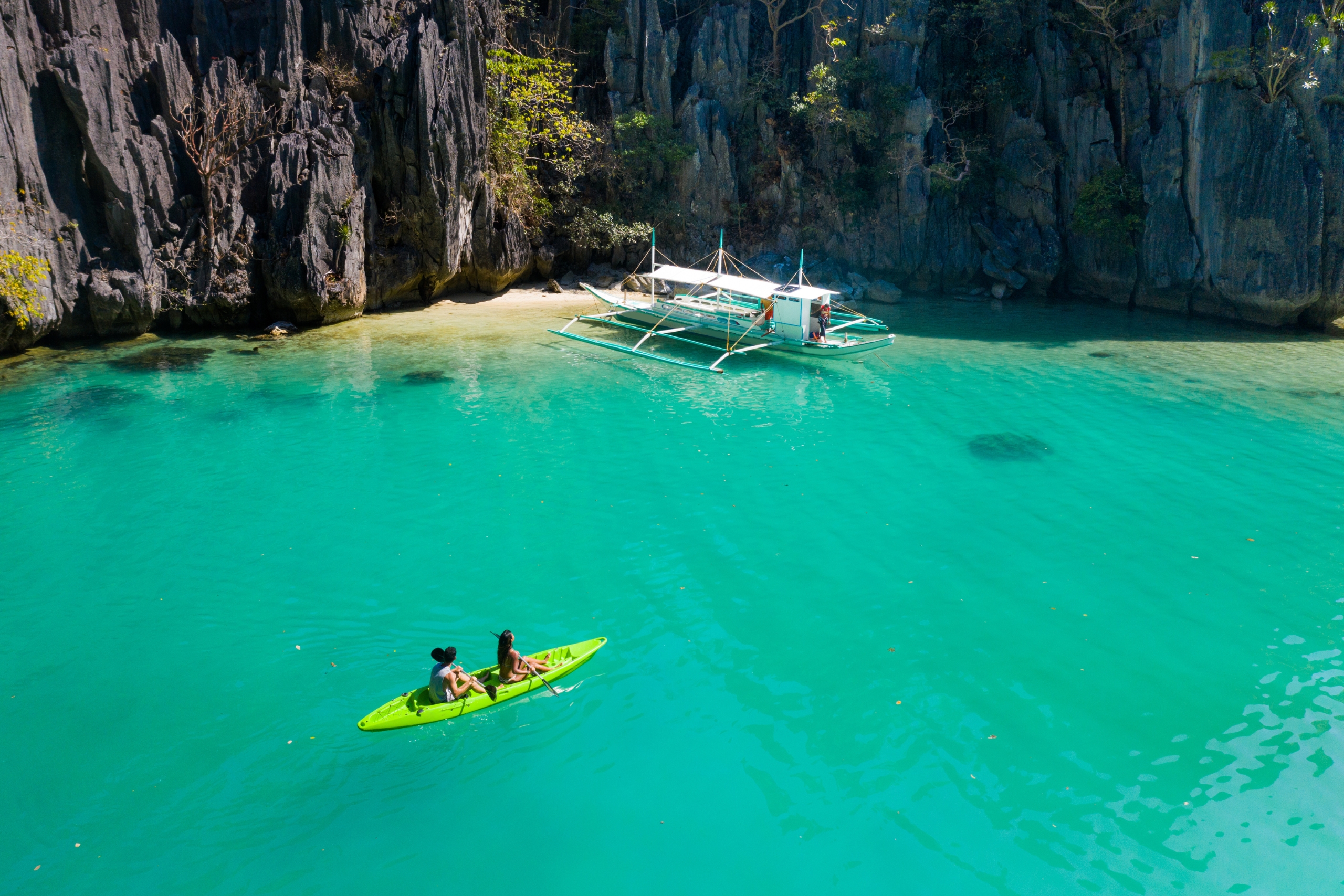
Asia is the most water-rich continent for the swimming traveller — a region whose extraordinary geographic diversity encompasses the turquoise tropical seas and white-sand beaches of Southeast Asia, the crystal-clear mountain lakes of the Himalayas and the highlands of China and Japan, the powerful rivers whose jungle pools and riverine swimming holes are among the most thrillingly remote aquatic experiences available anywhere on earth, the thundering waterfalls whose plunge pools and natural swimming areas reward the trekker who makes the journey to reach them, the geothermal hot springs whose mineral-rich, naturally heated waters have been welcoming bathers for centuries in Japan, South Korea, and across the volcanic landscapes of Indonesia and the Philippines, and the hidden lagoons and natural tidal pools whose calm, crystal-clear waters create the most sheltered and most visually spectacular swimming environments available in the region’s coastal geography. The appeal of swimming travel — the specific combination of aquatic pleasure, natural beauty, physical adventure, and the particular quality of being immersed in a body of water whose location makes the experience specific and unrepeatable in ways that any swimming pool can never approach — is as compelling for the solo backpacker as for the family on a tropical holiday, for the adventure swimmer as for the leisurely bather, and for the traveller whose primary motivation is the discovery of Asia’s natural wonders as for the one whose goal is simply the pleasure of spending a day in water that is more beautiful and more interesting than anything available closer to home. This guide celebrates the most remarkable swimming destinations across Asia’s diverse water bodies — covering the seas and beaches, rivers, lakes, waterfalls, hot springs, lagoons, and natural pools whose collective representation of the continent’s aquatic wealth provides the framework for any water-loving tourist’s most ambitious and most rewarding swimming travel itinerary.
Seas and Beaches: The Tropical Waters of Asia’s Iconic Coastlines
The beaches and coastal waters of Southeast and South Asia are among the most celebrated swimming destinations in the world — the specific combination of warm, crystal-clear tropical water, dramatic island geography, and the extraordinary marine biodiversity whose encounter through swimming and snorkelling creates the most visually spectacular underwater experience available to the non-diving swimmer making these among the most universally beloved swimming travel destinations available anywhere on earth.
El Nido, Palawan — Philippines
El Nido in Palawan, Philippines, is widely regarded as one of the most beautiful beach and sea swimming destinations in the entire world — a dramatic archipelago of towering limestone karst islands whose vertical cliff faces plunge directly into the warm, impossibly clear turquoise water of the Sulu Sea, creating the specific combination of extraordinary natural architecture and exceptional water clarity whose visual impact is among the most dramatic available in any tropical destination. The specific appeal of El Nido for the swimming traveller is the extraordinary variety of swimming environments accessible from a single base — the hidden lagoons whose access through small gaps in the limestone cliffs reveals the still, jewel-coloured water of enclosed swimming pools framed by cathedral-high rock walls, the coral gardens of the surrounding sea whose snorkelling reveals the marine life diversity of the Coral Triangle whose biodiversity exceeds that of any other ocean ecosystem, and the white sand beaches of the surrounding islands whose swimming in the gin-clear shallow water provides the purest tropical sea swimming experience available anywhere in the region.
Phi Phi Islands, Krabi — Thailand
The Phi Phi Islands in Krabi Province, Thailand — whose dramatic combination of towering limestone cliffs, half-moon bays, and the extraordinarily clear Andaman Sea water whose visibility regularly exceeds fifteen metres creates the specific aesthetic that has made these islands one of the most photographed and most visited swimming destinations in all of Southeast Asia — offer the swimming traveller a combination of accessible tropical sea swimming and snorkelling whose quality places them among the finest destinations available in the region. Maya Bay — whose fame as a filming location brought international attention to the extraordinary beauty of its enclosed limestone bay and whose restoration following a temporary closure to allow coral recovery from visitor damage has returned it to something approaching its natural splendour — provides the most dramatic framed swimming environment available in Thai waters, while the surrounding reefs and the clear water between the islands provide the snorkelling and free-swimming experiences whose quality rewards every level of swimming ability from the confident open-water swimmer to the casual beach holidaymaker.
Rivers: Jungle Pools, Gorges, and Wild Swimming in Asia’s Waterways
Asia’s rivers provide some of the most adventurous and most scenically extraordinary swimming experiences available anywhere on the continent — from the clear jungle rivers of Borneo and the Philippines whose cool, clean water and forested gorge settings create the specific quality of wild swimming adventure that no coastal beach can quite replicate, to the sacred river gorges of Bali and the limestone-filtered rivers of northern Thailand whose specific water characteristics make them among the most unusually beautiful swimming environments available in the region.
Loboc River, Bohol — Philippines
The Loboc River in Bohol, Philippines, is one of the most visually distinctive river swimming environments in Southeast Asia — a narrow, mangrove-lined river whose extraordinarily still, green-tinted water reflects the dense tropical canopy above it in a mirror-perfect surface that the swimming visitor breaks with their entry into the coolest and most sheltered of all the Philippine swimming destinations. The river’s calm current, its crystal clarity for most of its length, and the lush, cathedral-like canopy of old-growth trees and bamboo that frames every section of the swimming experience create the specific atmosphere of tropical river immersion whose quality is entirely different from the sea swimming that most Philippine visitors prioritise but which rewards the river-seeking swimmer with a natural intimacy and a forest-enclosed serenity that the open sea can never quite match.
Mae Taeng River, Chiang Mai — Thailand
The Mae Taeng River in the mountains of Chiang Mai Province, Thailand, combines the clear, cool mountain water that descends from the highland forests of northern Thailand with the dramatic limestone gorge and jungle scenery of the Mae Taeng valley to create one of the finest wild river swimming experiences available in the country. The river’s multiple swimming holes — accessible via bamboo rafting tours or guided jungle trekking whose arrival at the swimming spots is part of the adventure whose full experience the visit rewards — offer the cool, refreshing mountain water whose temperature contrast with the tropical heat of the valley floor creates one of the most physically pleasurable swimming sensations available in Southeast Asian travel.
Lakes: Alpine Serenity and Volcanic Wonder Above the Clouds
Asia’s lakes encompass the full spectrum from the volcanic crater lakes of Indonesia and the Philippines whose geologically dramatic settings create the most visually extraordinary lake swimming experiences available anywhere on earth, through the clear mountain lakes of Japan and China whose still, perfectly reflecting surfaces and forested shorelines create the specific tranquillity of high-altitude lake swimming, to the ancient and ecologically remarkable lakes of Southeast Asia whose historical and natural significance elevates their swimming appeal beyond the purely physical pleasure of the water into something approaching genuine communion with a place of deep natural and cultural meaning.
Lake Toba, North Sumatra — Indonesia
Lake Toba in North Sumatra, Indonesia, is the world’s largest volcanic lake — a body of water so vast that its surface area of eleven hundred square kilometres accommodates a further island, Samosir, within its boundaries whose circumnavigation by boat reveals the extraordinary scale of what is essentially a sea-sized lake enclosed within the ancient caldera of one of the most powerful volcanic eruptions in human geological history. The swimming in Lake Toba is the swimming in a vast, calm freshwater sea whose crystal clarity, whose warm surface temperature, and whose dramatic highland setting — the ancient caldera walls rising hundreds of metres above the lake surface in every direction creating the most dramatic natural amphitheatre available in all of Indonesian landscape — creates the most extraordinary lake swimming experience available in Southeast Asia and one of the most remarkable available anywhere in the world.
Kawah Ijen, East Java — Indonesia
The Kawah Ijen crater lake in East Java, Indonesia, occupies a uniquely spectacular position in the world’s volcanic lake landscape — its intense turquoise colour produced by the extreme sulphuric acid concentration whose specific water chemistry creates the otherworldly colour that has made the lake one of the most photographed natural phenomena in Indonesia, its surface perpetually veiled by the sulphur fumes whose presence makes this one of the world’s few crater lakes whose approach is managed for safety reasons. While the acid concentration of Kawah Ijen makes it unsuitable for swimming, its visual impact as a spectacle of natural chemistry on a monumental scale, its setting within the volcanic landscape of the Ijen Plateau, and its position as part of the Ijen travel circuit whose early-morning blue fire phenomenon at the fumaroles is one of the most extraordinary natural spectacles available in all of Southeast Asian travel make it among the most remarkable lake destinations available in the region for the water-loving tourist whose appreciation of aquatic environments extends beyond the merely swimmable to the genuinely awe-inspiring.
Waterfalls: Plunge Pools and Cascades That Reward the Journey
The waterfalls of Southeast Asia and South Asia are among the most romantically compelling swimming destinations available to any adventure traveller — the specific combination of the trekking or jungle journey required to reach the most beautiful examples, the thundering drama of the cascade itself, and the extraordinary plunge pool whose cool, churned water receives the fall create the most viscerally exciting and the most memorably physical swimming experience available anywhere in the continent’s remarkable natural landscape.
Tumpak Sewu Waterfall, East Java — Indonesia
Tumpak Sewu — whose name means a thousand waterfalls in the local language — is one of the most spectacular waterfall destinations in all of Asia, a horseshoe-shaped curtain of cascades that descends from the rim of a volcanic crater into the jungle gorge below in a wall of white water more than one hundred and twenty metres high and several hundred metres wide whose combined volume and whose dramatic geological setting create the most visually overwhelming waterfall experience available in Indonesia. The swimming in the pools at the base of the individual cascades — accessible via the steep descent into the gorge whose physical demands make the swimming reward proportionate to the effort invested — provides the specific exhilaration of being at the foot of one of the world’s great waterfalls in a cool, mist-filled, jungle-enclosed natural swimming pool whose setting is genuinely unlike anything available in any more accessible destination.
Kuang Si Falls, Luang Prabang — Laos
The Kuang Si Falls near Luang Prabang in northern Laos are among the most celebrated and most frequently visited waterfall swimming destinations in all of Southeast Asia — the specific combination of their extraordinary turquoise-blue colour, produced by the calcium carbonate saturation of the water that descends from the limestone karst hills above, their multi-tiered cascade structure whose series of falls and pools at different heights creates multiple distinct swimming opportunities within a single natural complex, and their accessibility from the UNESCO World Heritage city of Luang Prabang making them one of the most convenient examples of spectacular natural swimming available anywhere in the travel and tourism landscape of mainland Southeast Asia. The main upper pools whose intense turquoise clarity and whose swimming in the shadow of the main cascade provides the most dramatic single swimming experience at the site are complemented by the lower series of smaller pools whose calmer, shallower water provides the most accessible and the most family-appropriate swimming available within the complex.
Hot Springs: Soaking in Asia’s Geothermal Wonders
Asia’s volcanic geology has blessed the continent with some of the world’s most extraordinary natural hot spring environments — the centuries-old bathing traditions of Japan whose onsen culture is among the most sophisticated and most deeply culturally embedded in the world, the outdoor hot spring rivers of South Korea, the geothermal pools of volcanic Indonesia and the Philippines, and the natural hot spring pools of Taiwan together create the most diverse and the most culturally rich hot spring bathing landscape available on any continent.
Beppu, Oita Prefecture — Japan
Beppu in Oita Prefecture on the island of Kyushu is Japan’s most celebrated hot spring destination and one of the most geothermally active areas on earth — a city that sits above a volcanic hotspot whose output of more than one hundred million litres of hot spring water daily has created the dense onsen culture whose extraordinary variety of spring types, water temperatures, mineral compositions, and bathing environments makes it the most comprehensive hot spring bathing destination available in all of Asia. The specific appeal of Beppu for the hot spring swimmer encompasses the full range of the Japanese onsen experience — from the traditional indoor communal baths whose mineral waters provide the specific therapeutic benefits of the different geochemical signatures of each spring, through the outdoor rotenburo whose soaking in the open air beneath the Japanese sky creates the specific contemplative pleasure of outdoor thermal bathing at its most atmospherically perfect, to the sand baths and mud baths whose unique sensory experiences are specific to Beppu’s specific geothermal character.
Hot Spring Beach, Green Island — Taiwan
Green Island off the eastern coast of Taiwan is home to one of only three places in the world where naturally occurring saltwater hot springs emerge directly at the seashore — the Zhaori Hot Spring whose seawater hot spring pools are created by the meeting of the geothermal waters with the Pacific Ocean tide at the rocky shoreline creates the specific experience of hot spring bathing in salt water with the sound and the presence of the open ocean as the constant backdrop, an experience whose uniqueness in the global hot spring landscape makes Green Island a genuinely irreplaceable destination for the hot spring enthusiast whose search for the world’s most unusual and most spectacular soaking experiences extends to the far shores of the Pacific Rim.
Lagoons and Natural Pools: Sheltered Wonders of Crystal Clarity
The lagoons and natural pools of Asia represent the most sheltered, the most visually extraordinary, and in many cases the most accessibly serene swimming environments available in the entire continent — the enclosed or semi-enclosed water bodies whose protection from the open sea creates the glassy, crystal-clear conditions in which the submerged world is most completely visible and the swimming experience is most completely immersive in the specific visual beauty that makes tropical water swimming one of the most compelling travel motivations available.
Blue Lagoon, Oslob — Philippines
The Blue Lagoon near Oslob in Cebu, Philippines, is a small, entirely enclosed natural pool fed by a freshwater spring whose emergence through the limestone bedrock produces the extraordinarily clear, turquoise-tinted water whose visual quality — looking down through water of such clarity that the sandy bottom twenty feet below is visible in every detail — is among the most striking available in all of Philippine swimming. The enclosure of the lagoon by the surrounding limestone creates the sheltered environment that makes this one of the calmest and most comfortable swimming destinations in the region, while the freshwater spring’s continuous feed maintains the water quality whose clarity is the pool’s most distinctive feature.
Jellyfish Lake, Palau — Micronesia
Jellyfish Lake in Palau is one of the most extraordinary and most unique swimming experiences available anywhere in the world — a marine lake whose isolation from the surrounding ocean over thousands of years has produced a distinct ecosystem in which the golden jellyfish have evolved in the absence of predators to lose their stinging capability, creating the impossible experience of swimming through millions of pulsing, harmless jellyfish in water whose clarity and whose golden light creates the most surreal and the most genuinely otherworldly aquatic experience available on the planet. The specific experience of snorkelling through the jellyfish migration — the daily movement of the jellyfish mass that follows the sun across the lake surface in a behaviour pattern whose purpose is the photosynthetic feeding of the algae that lives symbiotically within each jellyfish — is one of those travel and tourism experiences whose unique quality creates the specific category of the genuinely unrepeatable encounter with natural wonder that the most ambitious and most curious swimming travellers specifically seek.
Conclusion
Asia’s swimming travel landscape is one of the most extraordinary and the most diverse available anywhere on earth — a continent whose geological complexity, whose tropical climates, whose volcanic activity, and whose sheer geographic scale have created the full spectrum of aquatic environments from the warm coral-fringed tropical seas of the Philippine and Indonesian archipelagos through the volcanic crater lakes and thundering waterfall plunge pools of Indonesia, the hot spring bathing traditions of Japan and Taiwan, the sheltered lagoons and natural pools of the Philippines and Palau, and the clear mountain rivers and jungle swimming holes of mainland Southeast Asia. Every one of the water bodies described in this guide offers the swimming traveller something that cannot be found anywhere else — the specific combination of water quality, natural setting, cultural context, and the particular quality of the aquatic experience that makes each destination genuinely irreplaceable rather than simply another beautiful place to swim. The water-loving tourist whose travels through Asia are guided by the pursuit of these specific, unrepeatable swimming experiences will find in the continent’s extraordinary aquatic diversity one of the most richly rewarding travel themes available in the entire global travel landscape — a journey whose specific pleasures are felt not merely in the beauty of what is seen but in the full-body, fully immersed, completely sensory experience of being in water that is more beautiful, more extraordinary, and more genuinely alive with the wonders of the natural world than anything that any swimming pool, however perfectly maintained, could ever aspire to match.
